
Case Study: The Work Behind the Mission at Dream Center Golden Triangle
It started with a mother and two children sleeping on a floor. How Dekodi helps Dream Center Golden Triangle get found, earn trust, and keep serving.
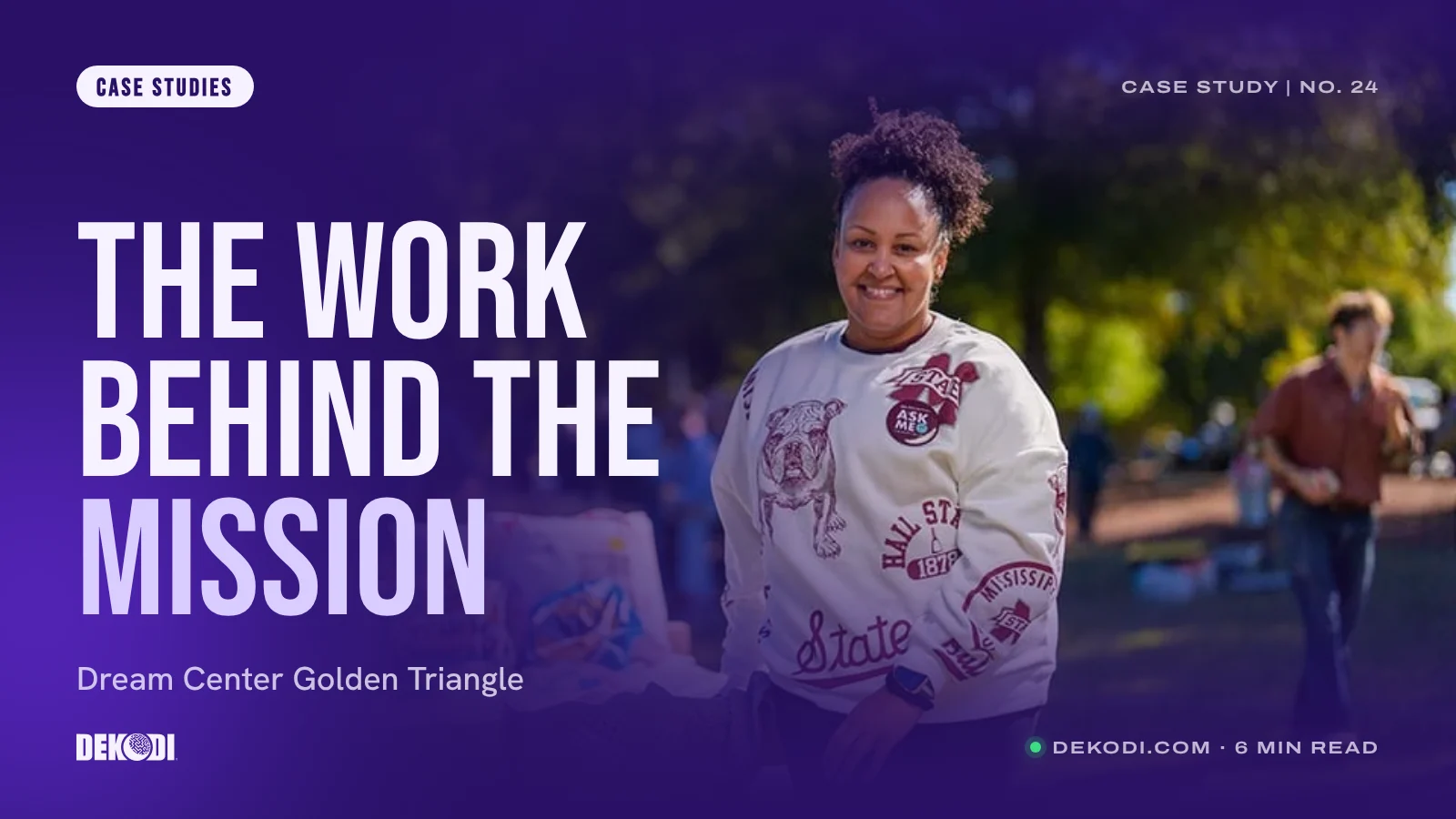
Client: Dream Center Golden Triangle
Industry: Nonprofit · Faith-Based Community Development · Human Services
Partnership: Digital Engine, with long-term strategic and technology support
Services: Brand and program identities · Graphic design · Website and digital experiences · Video · Fundraising campaigns · Vehicle wraps · Volunteer management · Custom software and databases · Intranet systems · Data protection · Organizational strategy
In 2019, a small group of volunteers went door to door in Columbus, Mississippi, looking for ways to serve their neighbors.
Behind the sixth door, a mother and two children were sleeping on the floor.
There was no strategic plan and no technology budget that day. Just people willing to see a need and do something about it. That commitment became Dream Center Golden Triangle, and it still fits in one line:
Find a hurt and heal it. Find a need and fill it.
The Short Version
Dekodi’s relationship with the Dream Center began as volunteer service, not a sales pitch. It grew into a long-term partnership touching the organization’s identity, communications, technology, and operations.
Everyone sees a bed being delivered. Few people see the application, the records, the volunteer schedule, and the fundraising behind it. That second kind of work is where we help.
The goal was never to make the Dream Center look bigger than it is. It was to give the people doing the work better ways to do more of it.
The Client
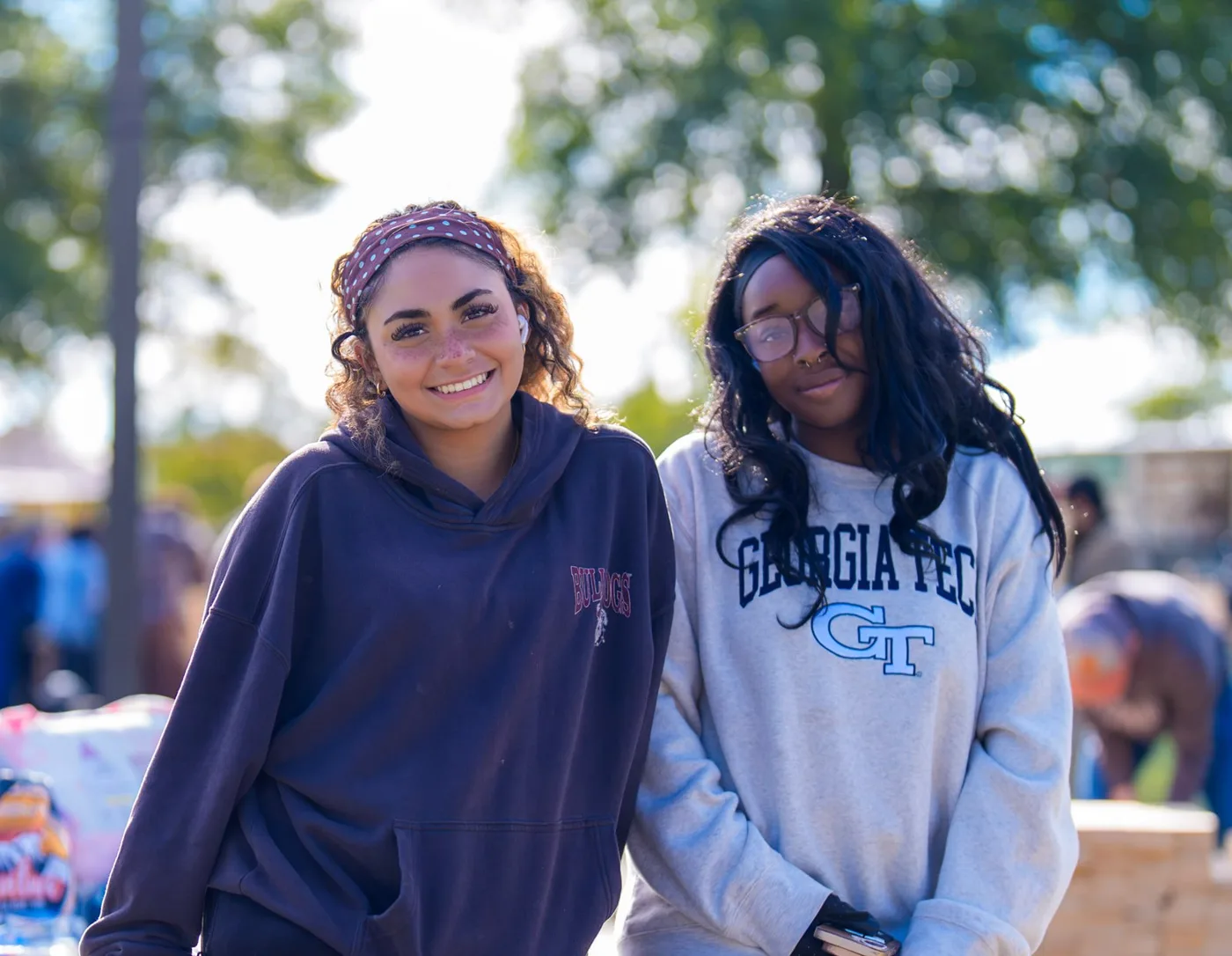
Dream Center Golden Triangle is a Christ-centered nonprofit serving Lowndes, Oktibbeha, Clay, and surrounding counties in northeast Mississippi. Its programs answer needs that are personal and specific:
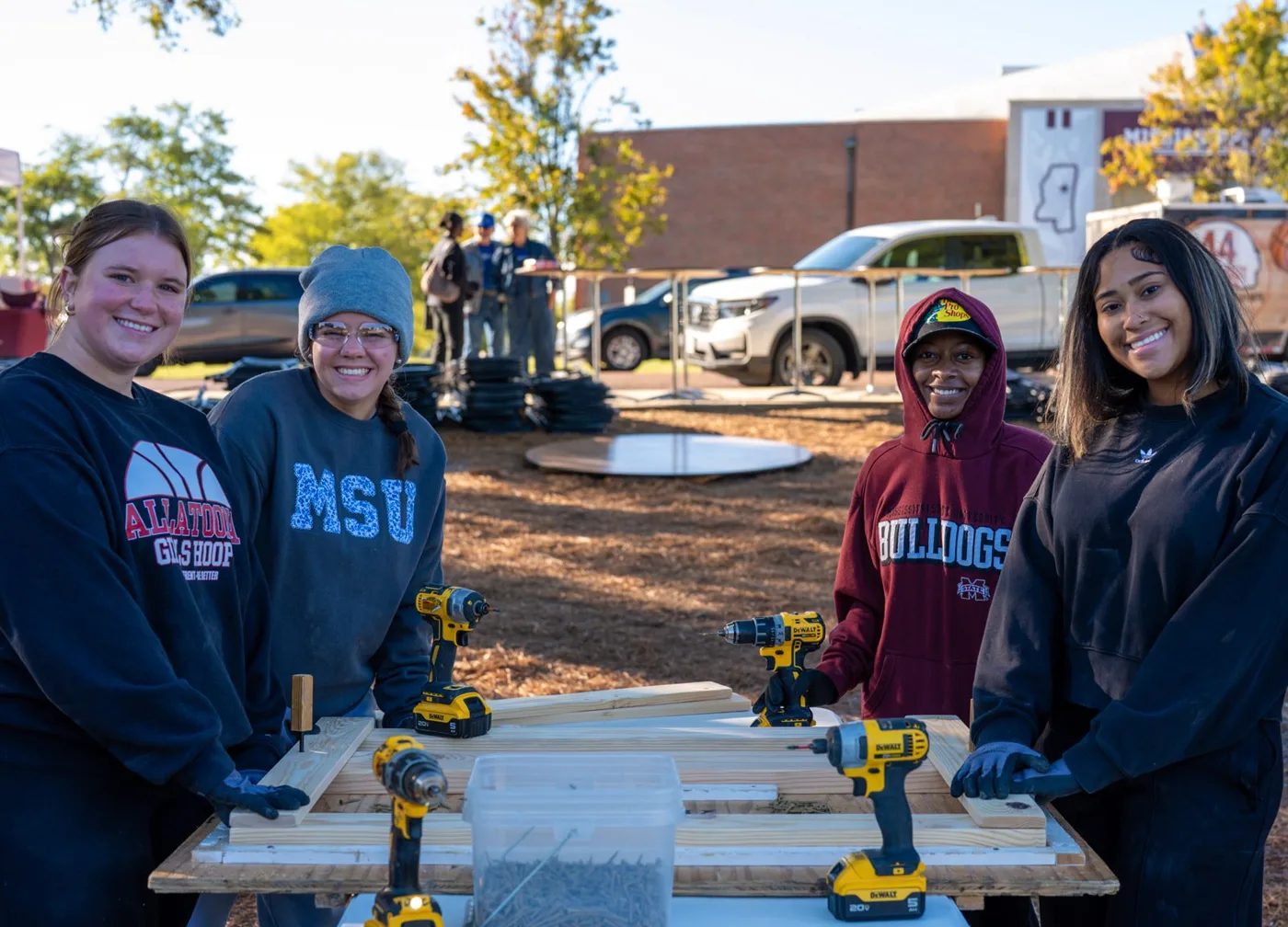
- Bedz4Kidz: volunteers build and deliver beds to children who might otherwise sleep on floors, couches, or makeshift arrangements.
- DC Feeds: food for families experiencing food insecurity.
- Hope’s Journey: awareness, support, and pathways toward restoration for people affected by human trafficking and exploitation.
Other outreach brings churches, businesses, volunteers, and neighbors together around immediate needs. None of this is abstract. These are people with names, families, and stories.
The Challenge
Passion can start a movement. It can’t run every moving part of one.
Going from a handful of families to thousands of service interactions changes the job. Applications need reviewing. Families need contacting. Volunteers need organizing. Donations need documenting. Deliveries need scheduling. Staff need accurate information. Records need protecting, and insurance and administrative requirements still have to be met.
For a nonprofit with limited resources, that work can compete with the very mission it exists to serve. The Dream Center didn’t need another logo or brochure. It needed people willing to understand the mission and help carry what sits behind it.
Dekodi’s Approach: Serve First. Solve What Matters.
Sometimes the right answer was a flyer. Sometimes it was a video about an urgent need. Other times it meant building software, organizing information, or working through an insurance requirement.
We didn’t treat every challenge as a marketing problem. We treated each one as a problem worth solving. Looking back, the work follows the same path any customer decision does, except here the “customer” might be a parent, a donor, or a volunteer with one free Saturday.
Be Found: a clear path for everyone who comes looking
People find a nonprofit for different reasons. A parent may need assistance. A church may want to organize a bed build. A business owner may be considering a gift. Each one needs a clear next step.
Our digital work supports the Dream Center’s web experiences, program communication, forms, and campaign presentations, so its online presence does more than describe a mission. It helps people understand the programs, request help, give, and take part.
Be Trusted: a brand and a story people can recognize
As programs multiplied, each needed its own identity while staying connected to the larger mission. Dekodi developed program logos, visual identities, brochures, and branded materials for initiatives including Bedz4Kidz, DC Feeds, and Hope’s Journey.
We also designed vehicle wraps. That might sound like a small detail next to building beds, but when a Dream Center vehicle pulls up to a home, families and partners can recognize who has arrived. The brand isn’t the mission. It helps people recognize the mission in action.
Fundraising takes the same care. Dekodi has produced fundraising presentations, campaign materials, and emergency appeal videos. We aren’t trying to turn hardship into entertainment or make families into marketing props. Someone watching should understand what’s happening, why it matters, and what they can do.
Sometimes a well-told story helps put another bed in a child’s home. That’s a better measure of creative work than how impressive the presentation looks.
Be Chosen: systems that turn willingness into action
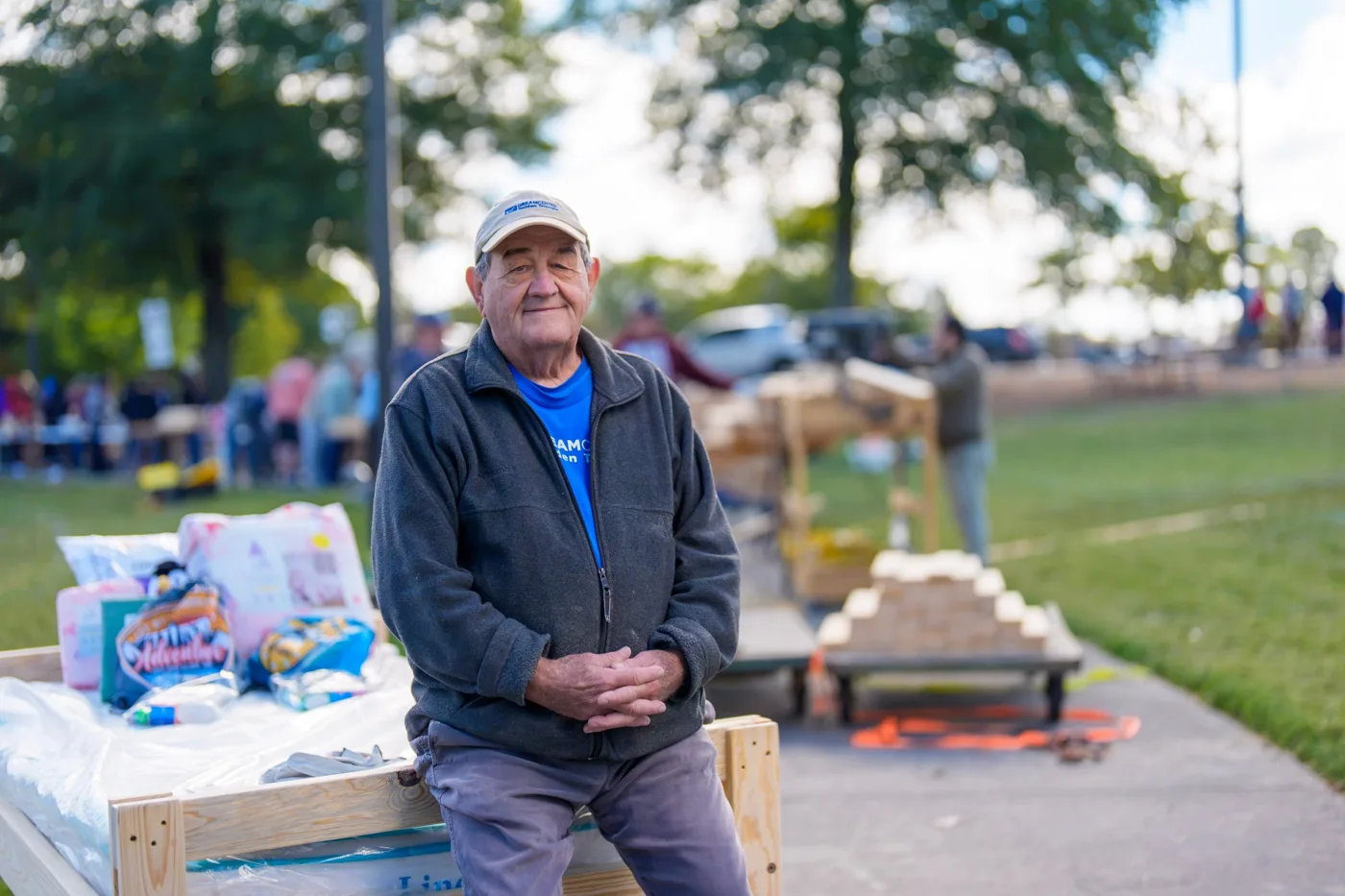
When someone decides to help, what happens next matters. Who signed up? What are they willing to do? Who needs a call back?
Dekodi has helped create forms, workflows, and internal databases that make this information easier to collect and use. A volunteer signup becomes more than a message in someone’s inbox. An application becomes part of a process that can be reviewed and managed.
Where off-the-shelf tools didn’t fit, we supported custom software for check-ins, service coordination, program management, and organizational oversight.
A volunteer coordinator doesn’t need more complicated software. They need to know who’s available. A program leader doesn’t need another pile of spreadsheets. They need the right information to make the next decision.
Good technology should make serving people easier, not give the people serving another job to do.
Behind all three: stewardship nobody applauds
Not every valuable improvement is visible to the public. Dekodi’s role has extended into intranet systems, backups of important data, support with insurance-related documentation and compliance, and operational management tools.
None of it is glamorous. But losing essential records, or being unable to find a document when it’s required, can interrupt services and burn resources a nonprofit doesn’t have. The Dream Center is accountable to the people it serves, the volunteers who give their time, and the donors who trust it with their support. The systems should be worthy of that.
The Impact Belongs to Them
The Dream Center’s published impact includes:
- 2,937 children served, as reported in its True North presentation
- 87,461 volunteer service hours, reported on its website
- 2,175 families served, reported on its website
- Ongoing food recovery and distribution through DC Feeds
- Continued outreach and restoration through Hope’s Journey
Every bed is a child with somewhere of their own to sleep. Every hour is time someone chose to give. These results belong to the Dream Center, its volunteers, donors, partners, and community.
We don’t claim credit for them. Our contribution is measured by whether the systems we build, the problems we solve, and the creative we produce make it easier for the organization to keep serving.
What a Digital Engine Looks Like Here
For some businesses, a Digital Engine is about acquiring customers and growing revenue. At the Dream Center, the same idea looks like this:
- A better volunteer process organizes people more effectively.
- A better internal database makes important information easier to manage.
- A reliable backup gives critical records another layer of protection.
- A strong presentation gives supporters a clearer picture of the need.
- A video draws attention to a situation that needs a response now.
Different outputs. One purpose: helping people doing good work spend more of their energy doing that work.
Still Serving. Still Building.
This isn’t a finished success story. There are still children who need beds, families who need food, and people who need safety, stability, and hope.
We don’t pretend technology can solve poverty, heal trauma, or replace human compassion. It can’t. But we’ve seen how the right tools can support the people working toward those goals, and how the most useful thing we bring is often just recognizing a need and being willing to help.
Nobody remembers the database when a child receives a bed.
That’s exactly how it should be.
The Work Continues. You Can Be Part of It.
Dream Center Golden Triangle still needs volunteers, community partners, and financial support. Visit dreamcenterms.org to give, volunteer, or support a program.
If your organization has a mission or a business that needs to work beyond the screen, see how a Digital Engine partnership works.
What to do next
Thirty minutes, a written plan, and yours to keep either way.
Get My Growth PlaybookGet Signals every Monday
The week's most useful stories in AI, search and marketing, what they mean for your business, and one thing to do about it.